Educational product guide • Review the label and consult a qualified professional when appropriate
Daily eye wellness guide

VisiFlora Eye Health Supplement: A Clear, Balanced Guide

VisiFlora is promoted as a plant-focused nutritional formula for adults interested in supporting visual comfort, retinal nutrition and everyday eye wellness. This page explains what the product is, what the listed ingredients are generally used for, what research can and cannot show, and how to combine supplementation with practical screen and lifestyle habits.

Informational-first content Safety notes included Mobile-friendly design
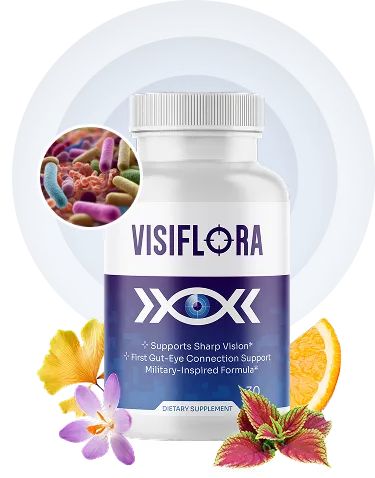
VisiFlora supplement bottle and vision wellness packaging
Nutrition + daily habits
Designed for adult wellness routines
Product Type Adult dietary supplement
Primary Focus Everyday eye wellness support
Best Practice Follow the current product label
Important Note Not a treatment for eye disease
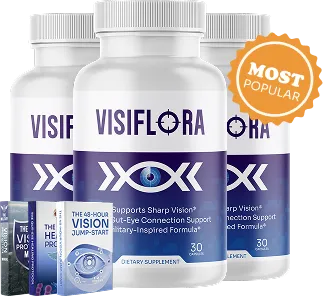
Three VisiFlora bottles with digital eye wellness guide bonuses
Product overview

What Is VisiFlora?

VisiFlora is marketed as an eye health supplement for adults who want to add targeted nutrients to a broader wellness routine. The reference product page emphasizes antioxidants, carotenoids, vitamins, minerals and botanical extracts associated with eye nutrition. It also presents a “gut–eye” theme, reflecting emerging research into how the intestinal microbiome, immune signaling and microbial metabolites may interact with ocular tissues.

That positioning should be understood carefully. A dietary supplement can provide nutrients, but it cannot diagnose why vision feels blurry, why eyes are painful, or why night vision has changed. Those symptoms can have many causes, including an outdated prescription, dry eye, medication effects, diabetes, cataract, retinal conditions or other issues that require an examination. VisiFlora is therefore best viewed as an optional nutritional product, not as a shortcut around professional eye care.

Evaluate VisiFlora by checking the current Supplement Facts panel, comparing it with your diet and existing supplements, and deciding whether it fits your needs. Because marketing pages can change, treat the bottle label and checkout terms as the final source for serving size, ingredients, warnings, package quantity and refund details.

Informational purpose: supports a more informed purchase decision.
Realistic role: complements sleep, nutrition, screen breaks and routine eye exams.
Responsible expectation: individual experiences may differ and are not guaranteed.
View VisiFlora Details
Potential wellness roles

Why Adults Consider Eye-Support Supplements

People often look for eye supplements because modern routines combine long screen sessions, limited dietary variety, age-related changes and inconsistent rest. The following points describe reasonable nutritional goals rather than promised medical outcomes.

Macular Nutrient Support

Lutein and zeaxanthin are carotenoids found naturally in the macula. Formulas that include them are intended to help supply dietary compounds used by eye tissues. Their presence does not automatically make a product equivalent to the clinically studied AREDS2 formula, because ingredients and doses must match.

Antioxidant Nutrition

Vitamins C and E and plant compounds are commonly included to contribute antioxidant activity. Antioxidants help the body manage oxidative processes, but more is not always better. Total intake from food, multivitamins and individual supplements should be considered together.

Everyday Visual Comfort

A consistent routine may encourage users to think more carefully about hydration, sleep, screen placement and regular breaks. Supplements themselves should not be expected to correct computer-related habits, dry indoor air or an inaccurate glasses prescription.

Healthy Aging Routine

Adults may use targeted nutrition as part of a long-term plan that also includes exercise, blood pressure and blood sugar management, UV-protective eyewear, tobacco avoidance and periodic dilated eye examinations based on professional advice.

Gut–Eye Research Interest

Scientific reviews discuss possible connections between gut microbes, immune regulation and ocular health. This is an active research area, not proof that a general supplement will improve a specific eye condition. Claims should remain proportional to the available evidence.

Simple Daily Format

Capsules can be easier to use consistently than complicated routines. Convenience matters because people are more likely to follow a plan that fits breakfast, lunch or another established habit. Always use the serving shown on the actual label.

Ingredient education

Understanding the Ingredients Promoted for VisiFlora

The reference page mentions multiple carotenoids, antioxidants, vitamins, minerals and botanical ingredients. Product formulations can be revised, so verify every item and dose on the bottle you receive. The summaries below explain common nutritional roles without claiming that VisiFlora treats disease.

Carotenoids

Lutein and Zeaxanthin

These pigments occur in foods such as leafy greens, corn and egg yolks and accumulate in the macular region. They are widely discussed in eye nutrition, including the National Eye Institute’s AREDS2 research. Clinical relevance depends on a person’s diagnosis and the complete formula, not the ingredient names alone.

Provitamin

Beta-Carotene

Beta-carotene can be converted to vitamin A, which is important for normal vision. However, high-dose beta-carotene has important concerns for people who smoke or previously smoked. Check whether it is actually present and discuss high-dose use with a professional.

Mineral

Zinc

Zinc supports many enzymes and normal immune function. It appears in specific eye research formulas, but excessive intake can cause adverse effects and may interfere with copper balance or medicines. Add up zinc from all supplements before deciding whether another source is appropriate.

Botanical

Bilberry Extract

Bilberry contains anthocyanin pigments and is commonly marketed for antioxidant and eye wellness support. Traditional use and laboratory interest do not establish that it can correct vision problems. Dose, extract quality and clinical context matter.

Antioxidant vitamins

Vitamins C and E

These nutrients contribute to antioxidant defenses and have established roles in normal physiology. Very high supplemental doses are different from ordinary dietary intake and can interact with health conditions or medicines, including some blood-thinning therapies.

Plant pigments

Lycopene and Saffron

Lycopene is a red carotenoid found in tomatoes, while saffron contains bioactive compounds studied in several areas. Their inclusion may broaden antioxidant variety, but shoppers should distinguish early research from proven prevention or treatment.

Amino compound

Taurine

Taurine is naturally present in the body and is concentrated in several tissues, including the retina. A biological role does not automatically mean that additional supplementation improves vision in healthy adults. Review the amount and your overall intake.

Botanicals

Ginkgo and Eyebright

Ginkgo is associated with circulation-related marketing and can interact with medicines, particularly those affecting bleeding. Eyebright has a long history in traditional remedies, but historical use is not the same as strong clinical evidence.

Supporting nutrients

Copper and Selenium

Both are essential trace minerals needed in small amounts. Copper is included in some high-zinc formulas to reduce the risk of copper deficiency. Selenium needs are also modest, making total intake and dose verification important.

Important distinction: VisiFlora is not automatically an AREDS2 supplement

AREDS2 is a specific, high-dose formulation studied for particular stages of age-related macular degeneration. It is not a general vision booster for everyone. Compare exact ingredients and amounts and ask an eye-care professional whether that type of formula is suitable for you.

Review the Evidence Notes
Practical comparison

Supplementation vs. Essential Eye-Care Habits

The strongest routine is usually a combination of appropriate nutrition, sensible screen behavior and professional care. A capsule can be convenient, but it cannot replace the fundamentals shown below.

Approach What It May Help With What It Cannot Do Best Use
VisiFlora or another supplement Add selected nutrients and plant compounds to the diet. Diagnose symptoms, update a prescription or cure eye disease. Optional addition after checking the label, dose and personal suitability.
Balanced diet Provide carotenoids, vitamins, minerals, fiber and healthy fats in a food matrix. Guarantee prevention of age-related or inherited eye conditions. Daily foundation featuring leafy greens, colorful vegetables, fruit, legumes, eggs, fish or suitable alternatives.
Screen ergonomics Reduce strain associated with prolonged near work, poor positioning and infrequent blinking. Treat retinal disease, glaucoma, cataract or persistent unexplained blur. Regular breaks, comfortable viewing distance, proper lighting and conscious blinking.
Routine eye examination Identify prescription changes and detect conditions that may have few early symptoms. Replace healthy daily behavior between appointments. Frequency based on age, symptoms, family history, diabetes and clinician guidance.
Urgent professional assessment Evaluate sudden vision loss, flashes, a curtain-like shadow, severe pain, injury or new neurological symptoms. Be safely delayed while testing a supplement. Immediate or emergency care when warning signs appear.
How to use responsibly

A Simple Daily Eye-Wellness Routine

Consistency matters more than complicated promises. Use the product only as directed and connect it to habits that support comfort, general health and timely professional care.

01

Read the Label

Confirm serving size, ingredient amounts, allergen information, warnings and storage instructions. Do not rely only on summaries or advertising text.

02

Choose a Consistent Time

Take the suggested serving at a time you can remember, following instructions about food or water. Avoid doubling a serving after a missed day.

03

Improve Screen Habits

Look away regularly, blink fully, reduce glare, increase text size and position the screen at a comfortable distance and height.

04

Track Meaningful Changes

Note comfort, headaches, dryness and screen time, but do not self-diagnose. Persistent or worsening symptoms deserve an eye examination.

Daily comfort

Screen Care Matters More Than Marketing

Digital eye strain commonly involves discomfort such as tired or dry-feeling eyes, headache, temporary blur and difficulty refocusing after prolonged near work. These symptoms are influenced by viewing distance, glare, font size, posture, air movement, blinking patterns and uncorrected vision. They are not proof that the retina has been damaged by ordinary device use.

A practical approach is to take frequent short visual breaks. The widely used 20-20-20 method means that about every 20 minutes, you look at something roughly 20 feet away for at least 20 seconds. It is also useful to blink deliberately, clean the screen, adjust brightness to the room, enlarge small text and avoid positioning a fan directly toward the eyes.

People who wear contact lenses may notice discomfort sooner during long screen sessions because concentration can reduce blink frequency. Preservative-free lubricating drops may be appropriate for some people, but the cause of persistent dryness should be evaluated rather than assumed. A supplement is not a substitute for correcting the environment or receiving personalized advice.

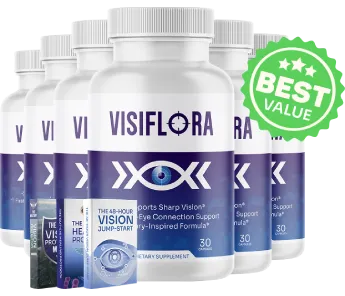
Six-bottle VisiFlora package with eye wellness guide bonuses
Evidence in context

What Eye-Nutrition Research Actually Tells Us

Research can help explain why certain nutrients appear in eye supplements, but it should not be stretched into promises that a particular commercial product will restore eyesight.

AREDS and AREDS2

The National Eye Institute studied specific high-dose nutrient combinations in people with defined stages of age-related macular degeneration. The results support use in certain patients, not universal use by every adult. The newer AREDS2 approach replaced beta-carotene with lutein and zeaxanthin, an important consideration for current and former smokers.

Digital Eye Strain

Professional eye-health guidance focuses primarily on behavioral and environmental changes: breaks, blinking, viewing distance, display height, glare control and appropriate corrective lenses. A supplement may fit a nutrition plan, but it does not remove the need to address these direct causes of discomfort.

The Gut–Eye Axis

Peer-reviewed reviews describe plausible links between intestinal microbes, metabolites, immune regulation and ocular conditions. The field is developing, and many questions remain about cause, effect, ideal interventions and which patients might benefit. Emerging biology should not be presented as established product-specific proof.

How to interpret ingredient research

First, ask whether the study examined the exact ingredient, dose and formulation found in the product. Second, check who participated. Findings from people with intermediate macular degeneration cannot automatically be applied to healthy adults or to people with unrelated symptoms. Third, consider the outcome measured. A change in a laboratory marker is not the same as a meaningful improvement in reading, driving or disease progression. Finally, distinguish an association from a controlled clinical trial.

Good nutrition matters, and selected formulas have evidence in specific clinical circumstances. That is different from claiming that any eye supplement will sharpen vision, reverse aging or prevent disease. Keep expectations realistic and seek professional assessment when symptoms persist or worsen.

Who May Consider It

An adult seeking a convenient eye-focused nutritional supplement may consider VisiFlora after reviewing the formula. It may be most relevant to someone whose diet is inconsistent and who understands that supplementation is only one part of a comprehensive eye-health plan.

A pharmacist, registered dietitian, primary-care clinician or eye-care professional can help check for duplicated nutrients, medication interactions and whether a condition-specific product is more appropriate.

Who Should Seek Advice First

Speak with a qualified professional before use if you are pregnant or nursing, take prescription medicines, use anticoagulant or antiplatelet therapy, have liver or kidney disease, smoke or formerly smoked, have an upcoming procedure, or already take a multivitamin or eye formula.

Stop using the product and seek advice if you develop a suspected allergic reaction or another concerning effect. Sudden vision loss, severe eye pain, new flashes or floaters, a dark curtain in vision, trauma or neurological symptoms require urgent assessment.

Official product access

Review the Current VisiFlora Offer and Label

Product ingredients, package sizes, prices, bonuses, shipping terms and refund conditions can change. Use the official website to verify the latest information before ordering. Read the full label and avoid purchasing based only on a headline or testimonial.

Go to the Official Website →
VisiFlora multi-bottle package displayed beside eye wellness digital guides
Common questions

VisiFlora Frequently Asked Questions

Answers to questions about adding an eye supplement to a routine.

What is VisiFlora designed to do?

VisiFlora is marketed as a dietary supplement that provides selected nutrients and plant compounds associated with eye wellness. It is intended for nutritional support, not for diagnosing, treating, curing or preventing an eye disease. Any benefit depends on the actual formula, the user’s needs and the rest of the person’s diet and health routine.

Does VisiFlora improve eyesight?

No responsible supplement page can promise that a capsule will improve visual acuity or remove the need for glasses. Temporary blur can result from dryness or prolonged near work, while persistent blur may indicate a prescription change or medical issue. Arrange an eye examination when vision changes rather than waiting for a supplement to work.

How long does it take to notice a difference?

There is no reliable universal timeline. Nutrient status, diet, diagnosis, age, medication use and expectations differ between people. Some changes in day-to-day comfort may also come from better screen habits or rest rather than the supplement. Avoid treating testimonials as a predictable timetable.

How should VisiFlora be taken?

Follow the serving directions on the current bottle. Take it with food or water only when the label recommends that approach. Do not exceed the serving, combine it casually with multiple eye formulas, or compensate for a missed serving by doubling the next one.

Is VisiFlora safe with medications?

Safety depends on the ingredients, doses and medicines involved. A pharmacist or clinician can check for interactions and duplicated nutrients. Bring the complete Supplement Facts panel when asking for advice.

Is VisiFlora an AREDS2 supplement?

Do not assume so. AREDS2 refers to a specific formula and evidence base for particular stages of age-related macular degeneration. Compare exact amounts of vitamin C, vitamin E, zinc, copper, lutein and zeaxanthin with the official AREDS2 composition and ask an eye-care professional whether it is indicated for you.

Can VisiFlora replace an eye exam?

No. Eye examinations can identify prescription changes and detect conditions that may not produce obvious early symptoms. People with diabetes, a family history of eye disease, previous eye surgery or new symptoms may need a schedule tailored by their clinician.

Where should I order VisiFlora?

Use the official product link on this page to check the current offer. Before payment, confirm the seller, package quantity, total price, recurring-billing status, shipping charges, delivery location, refund process and customer-support details. Save the confirmation and a copy of the terms.

Final perspective

Is VisiFlora Worth Considering?

VisiFlora may appeal to adults who prefer a convenient, eye-focused supplement and who are interested in carotenoids, antioxidant nutrients and the developing science of the gut–eye relationship. The product’s value depends on the accuracy and transparency of its current label, the amounts supplied, the buyer’s existing nutrient intake and whether the formula fits a real need.

A supplement may help fill selected nutritional gaps, but it should not be expected to restore lost vision or replace medical care. A wider eye-health routine includes varied food, tobacco avoidance, physical activity, UV protection, suitable corrective lenses, comfortable screen habits and appropriate eye examinations.

Before ordering, verify the current VisiFlora Supplement Facts panel and compare it with any multivitamin, mineral product or eye formula you already use. Ask a professional about high-dose nutrients, beta-carotene if you smoke or formerly smoked, and botanical interactions. When symptoms are sudden, severe or worsening, skip the shopping decision and seek timely care.

Used with realistic expectations, informed label review and sensible daily habits, VisiFlora can be evaluated as an optional component of an adult wellness routine. The official website is the appropriate place to confirm the latest product specifications, availability and purchase terms.

Check VisiFlora on the Official Website
VisiFlora Official SiteCheck current details
Visit Site